
Can You Wear Contact Lenses With Astigmatism, Dry Eyes, or Presbyopia?

Can You Wear Contact Lenses With Astigmatism, Dry Eyes, or Presbyopia?

Can You Wear Contact Lenses With Astigmatism, Dry Eyes, or Presbyopia?

Can You Wear Contact Lenses With Astigmatism, Dry Eyes, or Presbyopia?

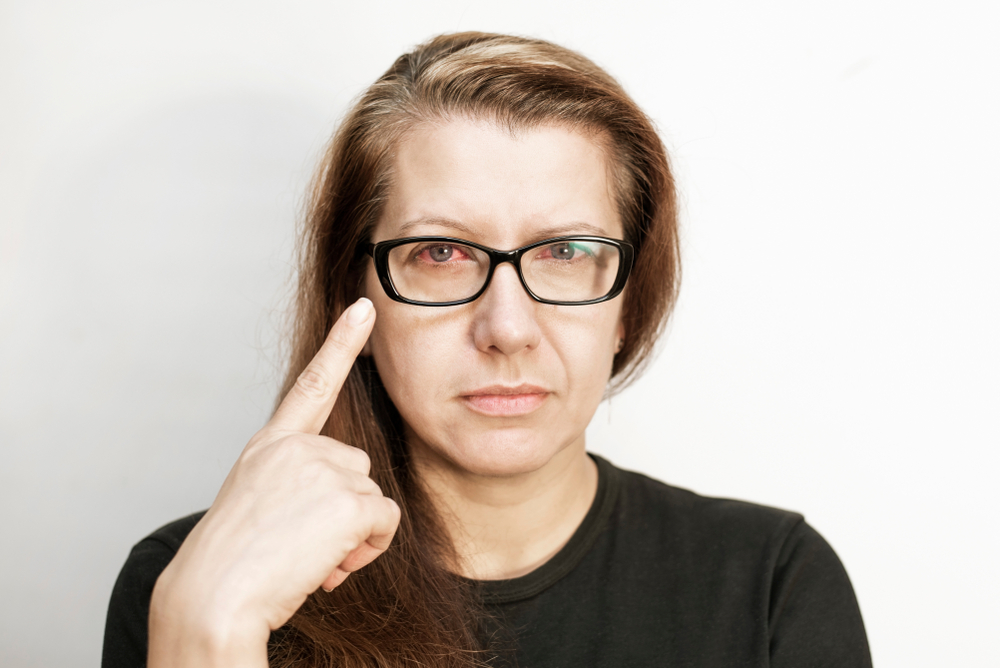
If you have astigmatism, dry eyes, or presbyopia, you may wonder whether contact lenses are a comfortable and practical option. The good news is that many people with these conditions can successfully wear contacts with the right lens design and fitting. At Wellesley Hills Eye Care in Wellesley, MA, we provide contact lens exams and fittings to help patients find vision correction options that suit their needs.
Contact Lenses for Astigmatism
Astigmatism occurs when the cornea or lens has an irregular curvature, causing blurry or distorted vision at different distances. Standard soft contact lenses may not adequately correct this condition, but specialized designs can help.
Toric contact lenses are designed to correct astigmatism. Unlike regular soft contacts, toric lenses have different corrective powers in specific orientations to compensate for irregular curvature. They are also designed to maintain their position on the eye for consistent vision.
Some patients with astigmatism may benefit from rigid gas permeable (RGP) lenses, depending on their prescription and eye health.
Can You Wear Contacts With Dry Eyes?
Dry eye disease can make wearing contact lenses uncomfortable, but it does not automatically mean you need to stop wearing them.
Dry eyes occur when your eyes do not produce enough tears or when tears evaporate too quickly. Contact lenses can sometimes worsen symptoms, including burning, irritation, and fluctuating vision.
At our Wellesley practice, we evaluate dry eye symptoms and eye health before recommending contact lenses. Depending on your needs, we may discuss lens materials, replacement schedules, and dry eye management strategies.
Daily disposable contacts may be a helpful option for some patients because they provide a fresh pair each day. However, treating underlying dry eye problems is often important for improving comfort.
Contact Lenses for Presbyopia
Presbyopia is an age-related condition that makes it harder to focus on nearby objects, typically becoming noticeable after age 40.
If you find yourself holding reading materials farther away or struggling to read small print, multifocal contact lenses may help.
Multifocal contacts incorporate different prescription powers to support vision at multiple distances. Another option is monovision, where one eye is corrected primarily for distance and the other for near vision.
Not everyone adjusts equally to these options, so a professional contact lens fitting is essential.
What to Expect During a Contact Lens Exam
A contact lens exam involves more than checking your glasses prescription. We assess several factors to determine which lenses may provide the best combination of vision and comfort.
During your contact lens evaluation, we may assess:
Your prescription: Determining the correction needed for astigmatism, presbyopia, or other refractive errors.
Corneal measurements: Evaluating the shape and curvature of your eyes for proper lens fitting.
Tear film health: Checking for dryness or irritation that could affect contact lens comfort.
Lens fit and movement: Making sure your contacts sit properly and allow adequate movement.
Visual performance: Assessing how clearly you see at different distances with your trial lenses.
Follow-up visits may be recommended to confirm your lenses continue to fit comfortably and provide clear vision.
Choosing the Right Contacts for Your Eyes
The best contact lenses depend on your prescription, eye health, daily activities, and personal preferences. Some patients need toric lenses, while others may benefit from multifocal designs or adjustments to their dry eye management.
Even if you have previously struggled with contact lenses, a new evaluation may help identify other suitable options. Contact lenses should never cause persistent discomfort, redness, or pain. Remove your lenses and seek prompt eye care if these symptoms occur, especially with changes in vision.
If you're interested in contact lenses for astigmatism, dry eyes, or presbyopia, contact Wellesley Hills Eye Care in Wellesley, MA, at (781) 501-9120 to schedule a contact lens exam and explore your options.


By appointment only
Monday - Friday
10:00 AM to 5:00 PM
Saturday - Sunday
Closed
© 2026 Wellesley Hills Eye Care - All Rights Reserved - Accessibility Statement - Privacy Policy - Sitemap
Powered by 
