
Eye Exam vs. Vision Screening: What's the Difference and Why Does It Matter?

Eye Exam vs. Vision Screening: What's the Difference and Why Does It Matter?

Eye Exam vs. Vision Screening: What's the Difference and Why Does It Matter?

Eye Exam vs. Vision Screening: What's the Difference and Why Does It Matter?

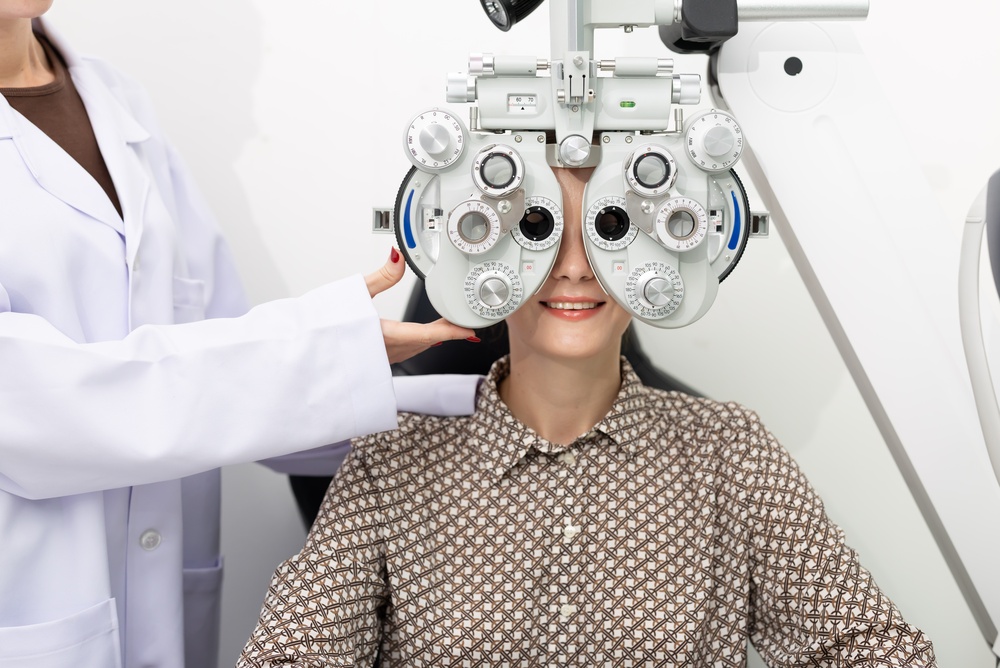
Many people assume that passing a vision screening means their eyes are healthy. However, vision screenings and comprehensive eye exams serve different purposes. While a screening can identify potential vision problems, a comprehensive eye exam provides a more detailed evaluation of your eyesight and overall eye health.
At Wellesley Hills Eye Care in Wellesley, MA, we help patients understand the importance of regular eye exams and why a basic vision screening isn't always enough.
What Is a Vision Screening?
A vision screening is a quick assessment designed to identify potential eyesight problems. These screenings are commonly performed at schools, pediatrician offices, and during routine health evaluations.
Vision screenings typically measure how clearly you can see letters or objects at a distance. They can help identify common refractive errors, such as nearsightedness, but they don't provide a complete picture of your eye health.
Passing a vision screening doesn't necessarily mean your eyes are free from underlying conditions. Some eye diseases develop without noticeable symptoms or changes in visual clarity.
What Happens During a Comprehensive Eye Exam?
A comprehensive eye exam is a more detailed evaluation performed by an optometrist. Unlike a basic vision screening, it assesses both your visual abilities and the health of your eyes.
During a comprehensive eye exam at our Wellesley practice, we may evaluate:
Visual acuity: Measuring how clearly you see at different distances.
Refractive errors: Determining whether you need glasses or an updated prescription.
Eye coordination: Assessing how well your eyes work together.
Eye pressure: Checking for elevated pressure that may indicate glaucoma risk.
Retinal health: Examining the back of your eyes for signs of disease or abnormalities.
At Wellesley Hills Eye Care, we also use advanced diagnostic technology, including retinal imaging, to help evaluate and monitor eye health.
Why Is a Comprehensive Eye Exam More Important?
Vision screenings are helpful for identifying certain vision problems, but they cannot replace a comprehensive eye exam.
Conditions such as glaucoma, diabetic retinopathy, and macular degeneration may develop without obvious early symptoms. A comprehensive eye exam can help detect signs of these conditions before significant vision problems occur.
Eye exams also allow us to evaluate symptoms such as headaches, blurry vision, eye strain, and difficulty focusing. Understanding the underlying cause helps us recommend appropriate care.
For patients in Wellesley, regular comprehensive eye exams are an important part of maintaining healthy vision and identifying potential concerns early.
How Often Should You Schedule an Eye Exam?
The recommended frequency of comprehensive eye exams depends on your age, overall health, vision needs, and risk factors.
Children benefit from comprehensive eye exams because vision problems can affect learning and development. Adults should also schedule routine examinations, even if they don't currently wear glasses or contact lenses.
Patients with diabetes, a family history of eye disease, or existing vision conditions may need more frequent evaluations.
At Wellesley Hills Eye Care, we recommend an examination schedule based on each patient's individual needs.
Schedule a Comprehensive Eye Exam in Wellesley, MA
A vision screening is a useful starting point, but a comprehensive eye exam provides a more complete understanding of your eye health. At Wellesley Hills Eye Care, we're committed to helping patients protect their eyesight through personalized, thorough eye care.
Schedule your comprehensive eye exam with Wellesley Hills Eye Care in Wellesley, MA, by calling (781) 501-9120 today.


By appointment only
Monday - Friday
10:00 AM to 5:00 PM
Saturday - Sunday
Closed
© 2026 Wellesley Hills Eye Care - All Rights Reserved - Accessibility Statement - Privacy Policy - Sitemap
Powered by 
